
In precision manufacturing, tiny details can make or break performance. One of the most common and often overlooked problems is the formation of burrs—small, sharp edges or protrusions left behind after machining operations like drilling, milling, or cutting. While they may seem minor, burrs can compromise functionality, safety, and product quality. Understanding what they are, how they form, and how to remove them is critical to maintaining high manufacturing standards.
What Causes Burr Formation?
Burrs form when material undergoes plastic deformation instead of clean shearing during machining. Factors that influence burr formation include:
- Tool sharpness – Dull tools push material instead of cutting it cleanly.
- Cutting speed and feed rate – Poorly optimized parameters can worsen deformation.
- Material properties – Ductile materials tend to form burrs more easily.
- Machining approach – Cutting angles and tool paths also affect burr severity.
Even with optimized conditions, burrs are nearly impossible to avoid completely—making deburring an essential post-machining step.
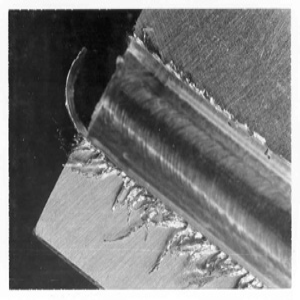

Why Burrs Matter
Left unchecked, burrs can cause serious issues:
- Functional Interference – Preventing smooth assembly and leading to misalignment or improper fits.
- Safety Hazards – Sharp edges can injure operators or end-users.
- Aesthetic Defects – Poor surface finish reduces perceived quality, especially in consumer-facing products.
Deburring Methods
Choosing the right deburring process depends on the part geometry, material, and production volume:
- Mechanical Deburring – Uses grinding wheels, brushes, or blades. Effective for large burrs and straightforward parts but labor-intensive.
- Chemical Deburring – Dissolves burrs with controlled chemical reactions. Ideal for intricate, small components.
- Thermal Deburring – Exposes parts to a controlled explosive gas mixture that burns away burrs. Highly efficient for internal and difficult-to-reach areas in high-volume production.


Key Considerations When Selecting a Deburring Process
- Material Sensitivity – Heat-sensitive materials may not tolerate thermal deburring.
- Burr Size and Location – External burrs are simpler to grind, while hidden internal burrs require chemical or thermal solutions.
- Cost vs. Quality – Mechanical deburring is cheaper but labor-heavy, while automated thermal systems are faster and consistent but require higher investment.
Preventing Burrs Before They Happen
The best strategy is burr prevention during machining:
- Optimize cutting speeds, feeds, and tool paths.
- Maintain sharp, well-conditioned cutting tools.
- Use proper cutting fluids to reduce adhesion and deformation.

FAQs on Burrs & Deburring
Q: How do burrs impact part performance?
They can block assemblies, accelerate wear, and even cause premature failure if located on critical surfaces.
Q: Does deburring damage the part?
If done incorrectly, yes. Poorly executed deburring can alter part dimensions or surface finish. Controlled methods prevent this.
Q: What’s the best method for small precision parts?
Chemical and thermal deburring are preferred since they reach complex geometries without mechanical contact.
Q: How much does deburring cost?
Costs vary by method and volume. Manual deburring is cheaper per setup but slower, while thermal deburring has higher upfront costs but scales well in high production.
Q: How do you measure deburring effectiveness?
By ensuring consistent quality, verifying that no burrs remain, and confirming that part dimensions and tolerances are maintained.


Conclusion
Burrs may be small, but their impact on quality, safety, and efficiency is significant. The right approach combines prevention strategies, proper deburring techniques, and rigorous quality control. Manufacturers who master burr management protect both their products and their brand reputation—ensuring components perform flawlessly from factory floor to end-use application.


One Response
Your enthusiasm is contagious, leaving readers excited and enthusiastic to explore the engaging topics you present.