Skip to content
Aluminum remains one of the most widely used materials in precision manufacturing. Its strength-to-weight ratio makes it indispensable in industries ranging from aerospace to consumer electronics. However, aluminum machining presents a specific challenge—part deformation. Even slight warping or distortion can ruin dimensional accuracy, compromise assembly, and drive up production costs.
Before looking at solutions, it’s important to understand the root cause. Aluminum is lightweight and relatively soft compared to steel, which makes it more prone to stress, heat buildup, and vibration during CNC machining. Without proper process control, parts may bend or twist, leading to wasted time and scrapped material. The good news: by applying the right strategies, manufacturers can minimize deformation and keep production both precise and efficient.
Optimize Cutting Parameters
- Controlled Feed Rates: Reducing feed rates lowers cutting force and minimizes internal stress, keeping parts dimensionally stable.
- Higher Cutting Speeds: Fast speeds help maintain cooler cutting conditions, preventing aluminum from softening and distorting under heat.
- Shallow Depths of Cut: Multiple light passes distribute stress evenly across the part and protect both the material and the cutting tools.
Use the Right Tooling
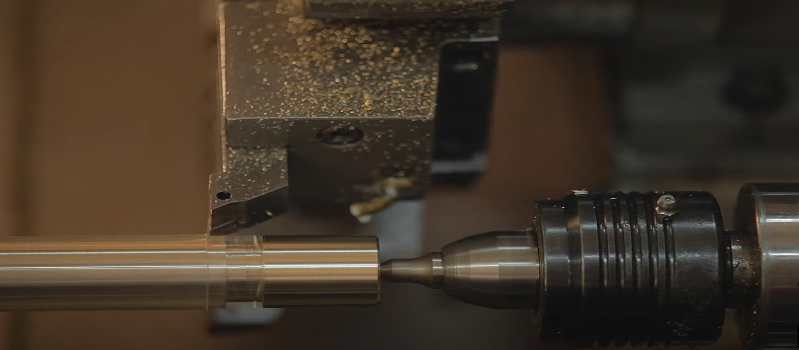
- Sharp Cutting Edges: Dull tools drag and pull material, increasing distortion risks. Regular tool maintenance is critical.
- Advanced Coatings: Carbide and diamond-coated tools extend tool life and provide smoother cuts, reducing mechanical stress on the workpiece.
Improve Fixturing and Clamping
- Balanced Clamping Force: Uneven clamping is a common cause of warping. Fixtures must distribute pressure consistently across the aluminum surface.
- Support for Thin Walls: Strategic support points keep delicate parts from bending under cutting loads.
Control Heat Accumulation
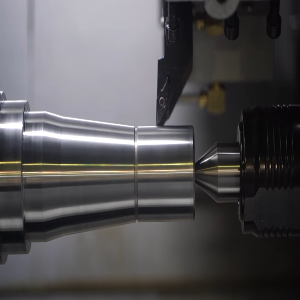
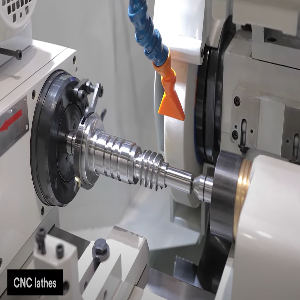
- Effective Coolant Flow: Proper coolant application reduces friction and dissipates heat before it can compromise part integrity.
- Intermittent Cutting: Pausing to allow natural cooling during long operations prevents aluminum from softening and deforming.
Leverage Advanced CNC Systems
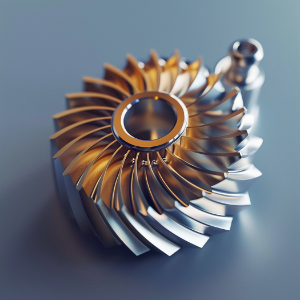
- Multi-Axis Machining: By reducing the number of setups, advanced CNC machines cut from multiple angles without repeated repositioning—keeping the workpiece stable and accurate.
Apply Heat Treatment and Post-Processing
- Annealing Before Machining: Heat treatments relieve internal stresses in aluminum, making it more stable during cutting.
- Final Finishing: Machining after material stabilization ensures dimensional accuracy and consistent surface quality.
Final Thoughts
Deformation in aluminum machining is a challenge, but not an inevitability. With the right cutting parameters, tool selection, fixturing techniques, temperature control, advanced equipment, and post-treatment, manufacturers can achieve precise, high-quality aluminum components. Applying these six strategies doesn’t just reduce scrap—it boosts efficiency, tool life, and overall production reliability.